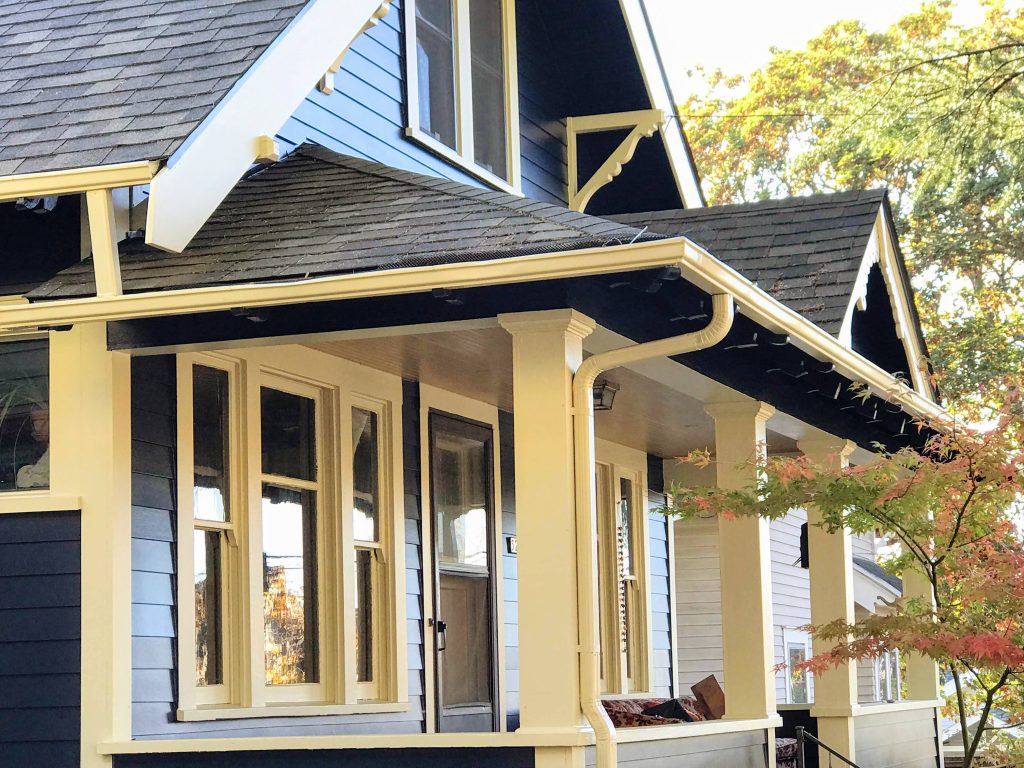
Portland homeowners appreciate character. Whether it is a classic Craftsman in Sellwood or a modern build in Beaverton, homes here are expected to feel intentional, not generic.
The difference between a standard exterior update and a truly custom look often comes down to details.
If you are considering exterior remodeling, especially a whole-house exterior remodel, understanding which design elements elevate curb appeal can help you invest wisely and create a home that feels thoughtfully designed rather than pieced together.
Below are the exterior design details that consistently make homes in Portland stand out for the right reasons.
Why custom exterior design matters in Portland
Portland neighborhoods value architectural integrity. Many areas have established character, mature landscaping, and homes built between 1920 and 1980. Updating these properties requires balance.
Well-executed Portland exterior remodeling:
-
Respects original architectural style
-
Introduces modern durability and materials
-
Enhances proportion and symmetry
-
Uses contrast intentionally
Lasting curb appeal is less about bold trends and more about cohesive planning.
1. Intentional siding profiles and layout
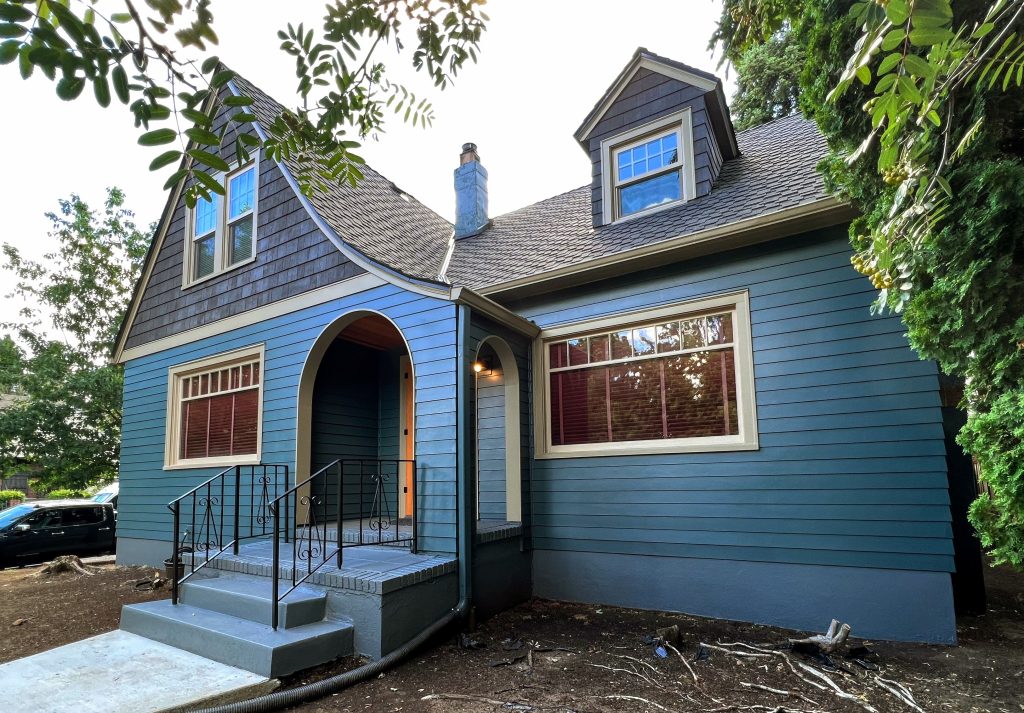 Siding replacement is often the foundation of exterior remodeling. The profile you choose and how it is arranged significantly impact curb appeal.
Design-forward upgrades often include:
-
Mixing horizontal lap with vertical panel accents
-
Using board and batten to emphasize gables
-
Increasing exposure width for a more modern feel
-
Adding shake or shingle accents selectively
Fiber cement siding, when installed correctly, offers flexibility in profile and texture. James Hardie provides technical resources on profile options and climate considerations.
To see how profile selection fits into a complete exterior renovation and design plan, review this overview.
2. Trim depth and shadow lines
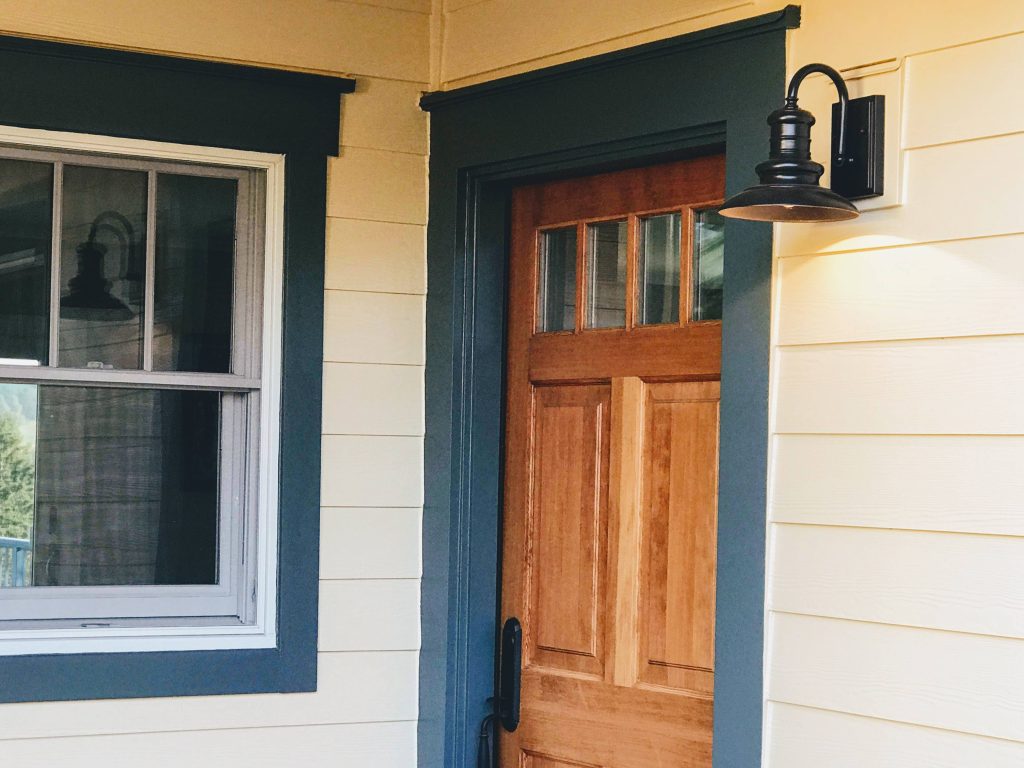 One of the most overlooked details in exterior remodeling is trim dimension.
Flat, minimal trim can make even new siding look basic. In contrast, deeper trim and defined shadow lines create a custom, finished appearance.
Key trim details that elevate a home:
-
Thicker window casing
-
Layered fascia and soffit design
-
Crown details above windows
-
Trim returns at corners
These small architectural decisions add visual weight and help homes read as intentional rather than builder-grade.
3. Window proportion and placement
Window replacement is not only about performance. It is also about symmetry and proportion.
Well-designed window updates:
-
Align top and bottom sightlines
-
Maintain consistent grille patterns
-
Use black or bronze frames strategically
-
Emphasize key elevations with larger units
In Portland, where cloudy light softens contrast, window frame color and trim thickness play an even bigger role in defining architectural lines.
4. Front entry focal points
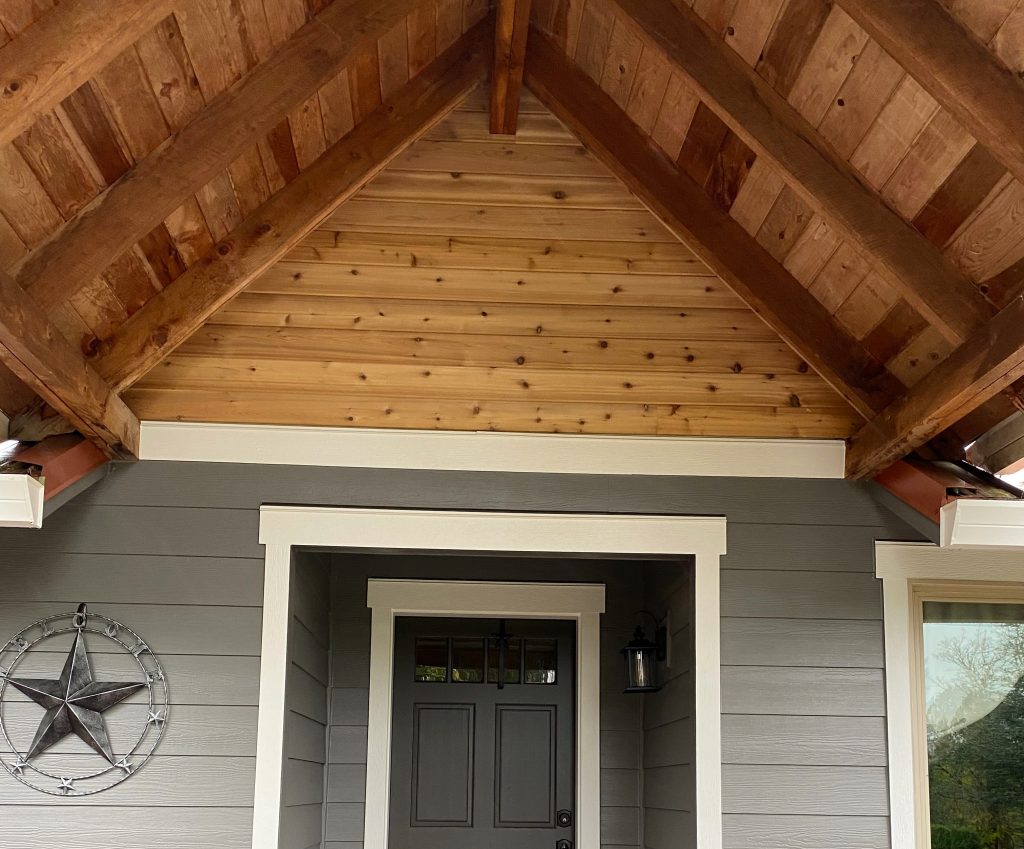 If you want a home to look custom, focus on the entry.
Exterior remodeling projects that transform curb appeal often include:
-
Statement front doors in bold but balanced colors
-
Natural wood doors for warmth
-
Updated porch columns
-
Layered exterior lighting
Entry upgrades should align with siding color, trim style, and roof tone to avoid visual disconnect.
5. Material contrast and texture
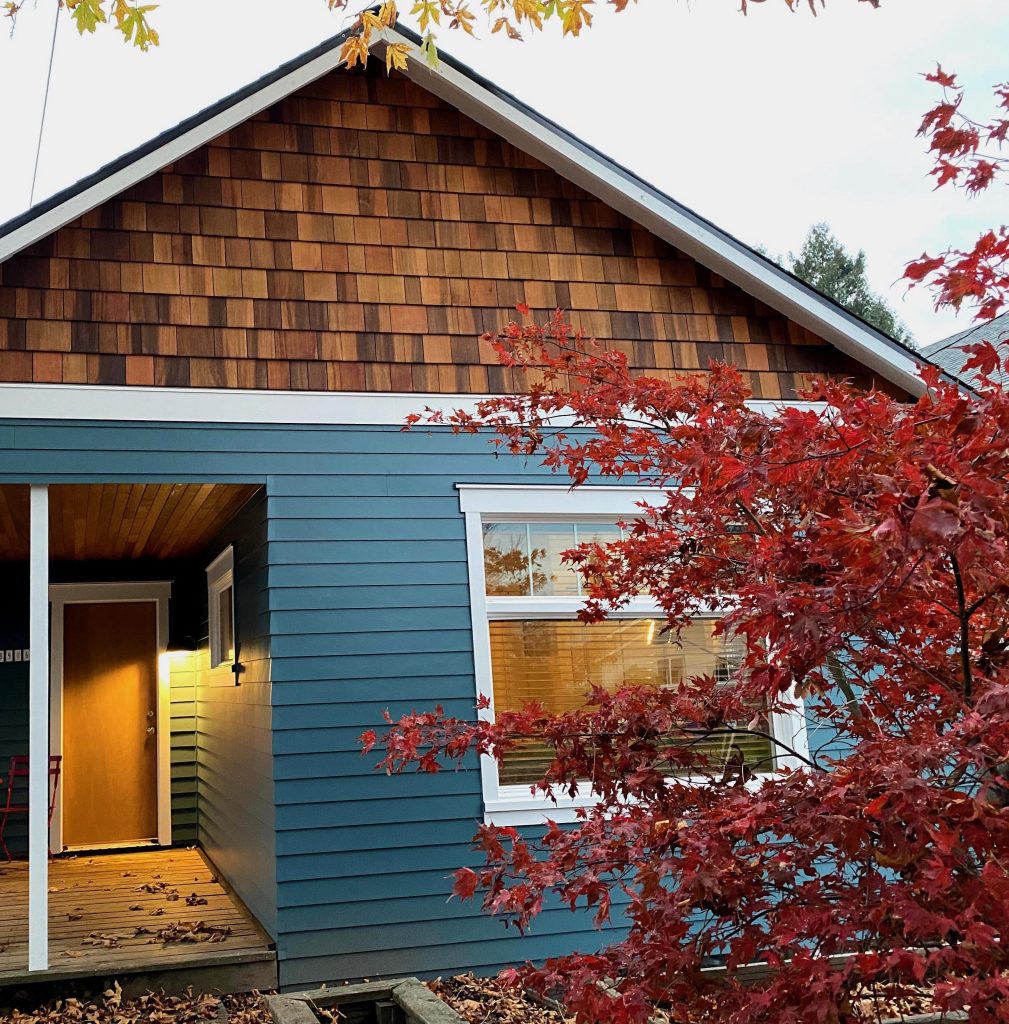 Homes that look high-end typically combine textures rather than relying on a single flat surface.
In Portland exterior remodeling, this might include:
-
Fiber cement siding paired with natural cedar accents
-
Stone veneer bases for visual grounding
-
Metal awnings for modern homes
-
Painted brick combined with new siding
Contrast works best when used selectively. Overcomplicating materials can reduce cohesion.
6. Roofing that complements, not competes
Roof replacement is often treated as a separate project, but it strongly affects curb appeal.
Design-forward roofing considerations:
-
Coordinating roof color with siding undertones
-
Upgrading ventilation and ridge details
-
Choosing architectural shingles for depth
During a whole-house exterior remodel, roofing decisions should be made alongside siding and window choices, not afterward.
What we typically see in Portland homes
Across Portland, Beaverton, Lake Oswego, Tigard, and West Linn, a few patterns show up repeatedly:
-
Piecemeal updates that do not fully align in color or style
-
Outdated trim details paired with newer siding
-
Roofing colors that clash with new paint
-
Entry areas that feel disconnected from the rest of the exterior
When homeowners step back and address exterior remodeling holistically, the results feel more refined and less temporary.
Often, a full siding replacement combined with coordinated windows and roofing creates a dramatic improvement without changing the home’s core architecture.
If you are evaluating siding materials specifically, this Hardie siding overview explains available options and installation standards.
How planning affects long-term curb appeal
Lasting curb appeal is tied to durability. Moisture management, flashing, and installation quality protect design investments.
In Portland’s wet climate, performance and design must work together. Custom details only matter if they are built to last.
Next steps: When to call a pro
You may benefit from professional guidance if:
-
Your home has multiple exterior elements that feel disconnected
-
You want to modernize without losing character
-
You are planning siding replacement and window updates together
-
You are unsure how to create contrast without overwhelming the facade
An exterior design consultation allows you to review material samples, trim upgrades, and layout options before committing to construction.
You can request an exterior design consultation here:
FAQ: Exterior design and curb appeal in Portland
Do custom exterior details significantly increase project scope?
Not necessarily. Many impactful upgrades involve trim depth, proportion adjustments, and coordinated color, rather than major structural changes.
Can I add architectural details during siding replacement?
Yes. Siding replacement is often the ideal time to update trim, accents, and layout.
Is it better to remodel everything at once?
Coordinating siding, windows, and roofing during one exterior remodeling project often improves cohesion and planning efficiency.
Will design choices affect maintenance?
Material selection and installation quality influence maintenance more than color or trim style.
How do I avoid my home looking too trendy?
Focus on proportion, contrast, and architectural consistency rather than chasing short-term trends.
Custom is in the details
Curb appeal that lasts is rarely accidental. It comes from thoughtful exterior remodeling decisions, balanced proportions, and materials chosen for both performance and aesthetics.
If you are ready to move beyond surface updates and create a cohesive, custom look, an exterior design consultation can help clarify the right details for your home.