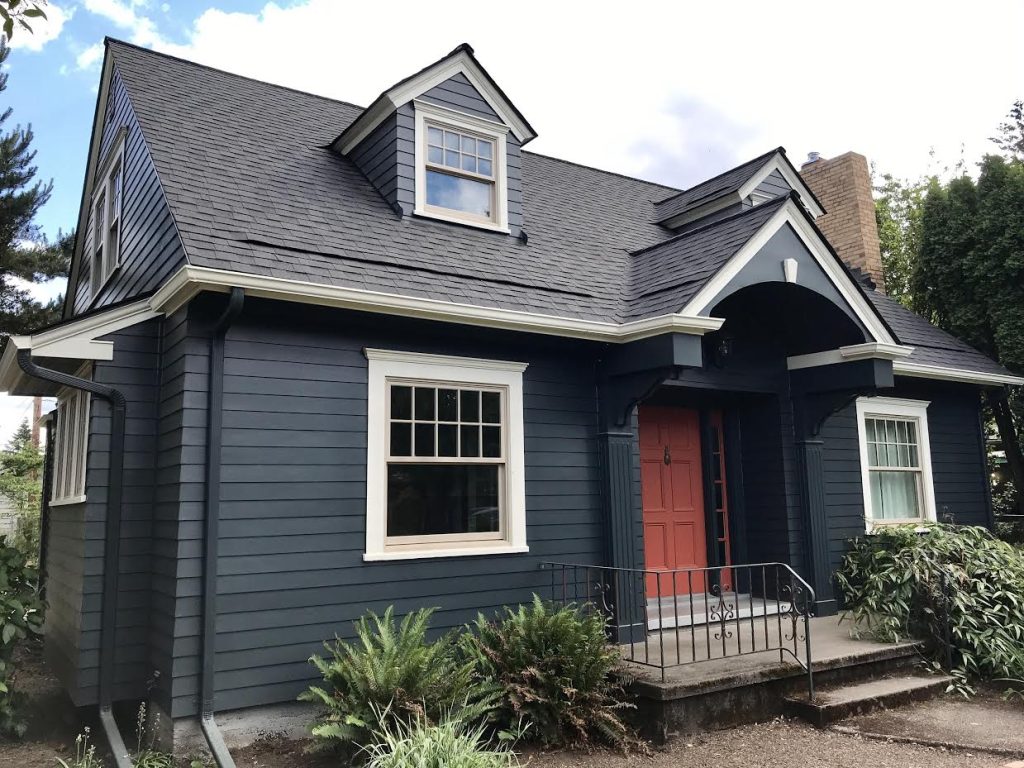
How to inspect your home, spot early warning signs, and protect your exterior before heavy rain sets in.
Portland’s winter season is beautiful, but it’s also tough on homes. With months of near-constant moisture, freeze-thaw cycles, and occasional windstorms, siding that was “fine in summer” can quickly become a problem once wet weather hits. Failing siding doesn’t just look bad; it can lead to water intrusion, mold, structural damage, and costly repairs.
If you want to protect your home (and your wallet), winter is the most important time to pay attention to exterior warning signs. Below are five critical indicators that your siding may not survive a Portland winter, and it may be time for siding replacement. Plus, we’re sharing a simple step-by-step guide for inspecting your siding safely.
1. Peeling, Bubbling, or Blistering Paint
When you see peeling or bubbling paint, it’s more than a cosmetic issue. It’s a red flag that moisture is trapped beneath the surface.
According to the U.S. Forest Products Laboratory, blistering paint is often caused by water penetrating through cracks, joints, or unsealed siding boards. Once moisture gets in, it expands when temperatures drop, pushing paint away from the siding surface and trapping even more water underneath.
In Portland’s climate, this issue accelerates because the wood never fully dries between storms.
If you see:
- Large patches of peeling paint
- Blistering bubbles
- Soft or spongy areas under the paint
…it may be time for siding replacement, especially if the siding is original to the home.
2. Warping, Buckling, or Wavy Boards
Warping is one of the most obvious signs that siding is failing. This happens when moisture seeps into wood or fiber-cement boards and causes swelling.
According to the James Hardie Building Products technical bulletin, improper installation and long-term moisture exposure are the two biggest causes of warped siding in wet climates like the Pacific Northwest.
Common signs:
- Boards pulling away from the home
- Wavy sections along the wall
- Visible gaps between boards
- Edges curling outward
Warping can quickly escalate into structural problems because water can sneak behind the siding and saturate the sheathing. If you see buckling near windows or doors, this is especially concerning because those areas naturally collect more moisture.
3. Cracks, Splits, and Holes
 Cracks might seem minor, but in Portland’s rainy season, they can allow water to infiltrate deeper layers of your exterior. When water enters through small cracks, it often causes:
- Rotting sheathing
- Mold growth
- Pest intrusion
- Freeze-thaw expansion that makes cracks worse
The Environmental Protection Agency (EPA) notes that moisture intrusion is one of the top contributors to mold and indoor air quality issues — and exterior siding is one of the most common pathways for hidden leaks.
Pay attention to:
- Cracks in old cedar siding
- Holes from woodpeckers or insects
- Horizontal splits
- Cracks clustered near the rooflines or the foundation
If cracks appear in multiple areas, it’s usually a sign the siding has reached the end of its lifespan.
4. Soft, Spongy, or Swollen Areas (Rot)
If your siding feels soft when you press it, this is a sign of water infiltration and wood rot. This is one of the most serious red flags, and one of the most common problems with old cedar siding in the Pacific Northwest.
The Oregon State University Extension warns that prolonged moisture exposure can lead to fungal growth and decay in exterior wood surfaces, especially in shaded areas with little airflow.
You may have rot if you notice:
- Siding that gives when pressed
- Discoloration or dark streaks
- Mushy, crumbling sections
- Green or black mildew patches
Rot spreads, so what starts small can quickly become widespread.
5. Visible Gaps or Loose Boards
Windstorms, repeated wetting, and aging nails often cause siding to loosen, leaving openings where water can enter.
Look for:
- Nail heads pulling out
- Boards shifting or lifting
- Gaps at seams
- Areas where caulking has failed
Loose siding can also create a path for pests, including carpenter ants and rodents, which the Oregon Department of Agriculture identifies as common intruders in moisture-damaged structures.
Once water enters through gaps, it can damage the framing, insulation, and sheathing behind the walls.
How to Inspect Your Siding (Homeowner-Friendly Checklist)
You don’t have to be a contractor to do a basic exterior assessment. Here’s a simple step-by-step method recommended by building science experts and aligned with industry best practices.
Step 1: Walk the Perimeter Slowly
Start 6–10 feet back so you can spot irregularities. Look for:
- Discoloration
- Wavy or uneven boards
- Large paint failures
- Areas that stay damp longer than others
Pro tip: Inspections are most effective the day after heavy rain.
Step 2: Get Closer and Check High-Moisture Areas First
Inspect areas known to collect water or experience more wear:
- Near gutters and downspouts
- Around windows and doors
- Bottom rows of siding near soil
- Areas shaded by trees
- North-facing walls (they dry the slowest)
These locations often show the earliest signs of failure.
Step 3: Gently Press Suspect Areas
Use two fingers and lightly press the siding boards, especially cedar.
If it feels:
- Soft
- Spongy
- Hollow
- Crumbly
…that’s a sign of rot or moisture damage.
Step 4: Check Caulking and Seams
Failed caulking is one of the top causes of water intrusion.
Look for:
- Missing caulk
- Cracked seals
- Shrinking or peeling caulk lines
- Open gaps at joints
If multiple areas show failure, the siding system may need replacement.
Step 5: Examine Paint for Bubbling or Peeling
Use a flat screwdriver or a credit card to gently lift a peeling section.
If you see:
- Moisture trapped underneath
- Dark staining
- Wood that flakes apart
…it’s time for a professional inspection.
Step 6: Look for Mold or Mildew Growth
Dark streaks or green/black spots typically appear where water runs down or stagnates.
This is common around:
- Window corners
- Downspout transitions
- Bottom edges of siding
Persistent mildew often indicates hidden moisture.
When to Call a Professional
If your inspection reveals multiple areas of damage, especially rot, warping, or cracks, then it’s time to schedule a siding consultation.
A siding professional with Joseph Ketner Construction can:
- Use moisture meters
- Pull back boards to inspect the sheathing
- Identify structural concerns
- Recommend the best material for Portland’s climate (usually fiber-cement like Hardie)
The earlier you act, the less expensive the repair or replacement will be.
Portland’s wet winters are tough on exterior materials. Even well-maintained cedar or aging fiber-cement can reach a point where repairs aren’t enough. Paying attention to early warning signs like peeling paint, swelling, cracks, soft spots, and loose boards can help you avoid major damage.
If your siding is showing signs of distress, winter is the perfect time to evaluate the condition of your exterior. And if needed, planning a spring siding replacement ensures you get ahead of the busy season.